
Erosion Control Reinvented with Gabion Geomat Solutions
- bangjunfencetech
- Aug 25, 2025
- 5 min read
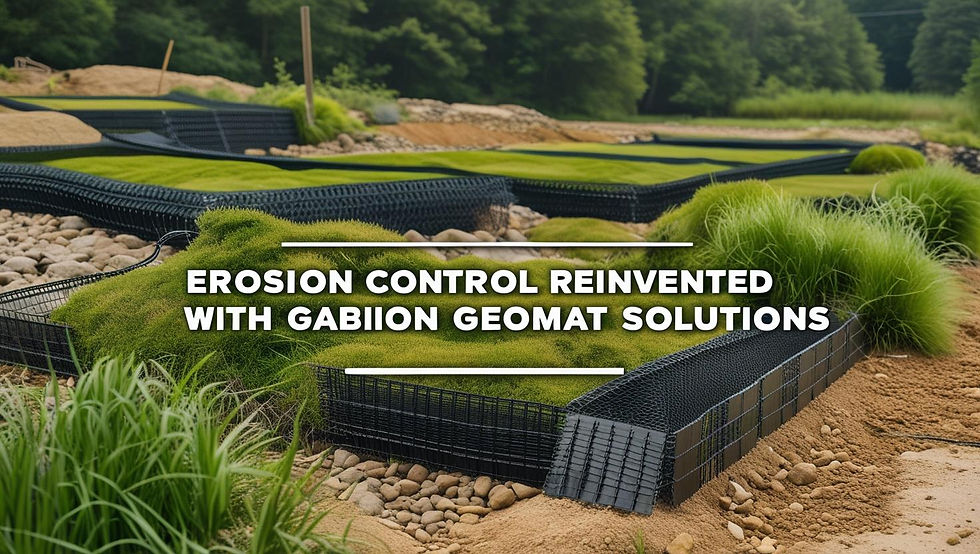
Erosion has always been one of the biggest challenges in construction, landscaping, and environmental protection projects. Soil displacement caused by wind, rain, or flowing water can weaken foundations, damage infrastructure, and degrade landscapes. Traditional erosion control methods, such as concrete barriers or stone pitching, often fail to blend with the environment and require extensive maintenance. This is where gabion geomat solutions are making a significant impact.
Gabion geomats are engineered systems that combine the strength of wire mesh structures with the protective layering of geomats. By creating a reinforced surface that stabilizes soil while allowing vegetation growth, they represent a modern approach to slope protection, shoreline reinforcement, and eco-friendly infrastructure. In this article, we will explore how gabion geomats reinvent erosion control, why they are becoming popular among engineers and developers, and what industries benefit most from their use.
Understanding Gabion Geomats
A gabion mat is a three-dimensional erosion control system made from high-strength wire mesh and layered geomats. These structures are often filled with stones or rocks, creating a porous yet durable barrier against erosion forces. Unlike rigid solutions, gabion geomats are flexible, allowing them to adapt to ground movement without cracking or losing integrity.
They are particularly effective in areas where soil stability is threatened by heavy rainfall, strong currents, or steep gradients. By anchoring the surface and preventing displacement, gabion geomats provide long-term protection while also promoting natural vegetation growth. This makes them a sustainable choice for erosion control compared to purely artificial solutions.
Why Traditional Methods Fall Short
Conventional erosion control systems, such as retaining walls or poured concrete, may seem durable at first, but they have limitations. Concrete tends to crack over time due to ground shifts and requires costly repairs. Stone pitching, though natural in appearance, can be dislodged by heavy currents or extreme weather events.
Moreover, many of these methods do not allow water infiltration, leading to poor drainage and pressure buildup behind the structures. This often results in structural failure. In contrast, gabion geomats offer permeability, flexibility, and a natural integration with the surrounding landscape, which reduces these risks significantly.
Key Benefits of Gabion Geomat Solutions
Real estate developers, civil engineers, and environmental planners are turning to gabion geomats because of their clear advantages. Some of the most notable benefits include:
Superior Erosion Resistance: The combination of mesh and stone filling creates a highly durable surface that withstands heavy water flow and weather conditions.
Flexibility: Unlike rigid walls, gabion geomats adapt to soil movement, reducing the risk of cracks or collapse.
Permeability: They allow water to pass through, preventing hydrostatic pressure buildup.
Eco-Friendliness: By encouraging plant growth within and around the structure, they blend seamlessly into natural surroundings.
Cost Efficiency: With low maintenance needs and long service life, they are more economical over time compared to traditional systems.
LSI Keywords Driving the Conversation
When discussing gabion geomats and erosion control, several related keywords highlight their relevance and application:
Slope stabilization systems
Riverbank protection solutions
Soil reinforcement methods
Retaining wall alternatives
Green infrastructure design
Geotechnical engineering solutions
Bioengineering erosion control
Flood protection systems
Including these terms broadens the understanding of gabion geomats and positions them as versatile solutions across multiple industries.
Applications of Gabion Geomat Solutions
Gabion geomats are used in a wide range of projects due to their adaptability and durability. Some common applications include:
Slope Protection
On steep slopes, rainfall often washes away topsoil, leading to landslides or unstable ground. Gabion geomats stabilize these surfaces by holding soil in place and promoting vegetation growth, which further strengthens the slope over time.
Riverbank Reinforcement
Riverbanks are constantly subjected to erosion from flowing water. Traditional stone walls often fail under strong currents, but gabion geomats create a reinforced yet flexible barrier that absorbs hydraulic energy and prevents soil loss.
Road and Highway Projects
Highways and embankments require long-term stability to prevent soil erosion that could compromise road safety. Gabion geomats are increasingly used to secure slopes along roadsides, offering both structural integrity and aesthetic appeal.
Shoreline Protection
Coastal erosion is a growing concern due to climate change. Gabion geomats provide a sustainable solution by stabilizing shorelines while allowing natural vegetation to thrive, reducing long-term environmental impact.
Retaining Structures
Gabion geomats can also be used as an alternative to traditional retaining walls. They provide structural support while remaining flexible and eco-friendly, making them ideal for modern infrastructure projects.
Sustainability and Environmental Integration
One of the standout features of gabion geomats is their alignment with green infrastructure goals. By allowing vegetation to grow through and around the structure, they support ecological restoration. Plants enhance soil stability, improve biodiversity, and create a natural appearance that integrates well with surrounding landscapes.
For developers focused on sustainability, gabion geomats represent a way to meet environmental goals without sacrificing performance. They support bioengineering approaches to erosion control, aligning with global trends toward greener infrastructure solutions.
Cost and ROI Advantages
While the initial investment in gabion geomats may be comparable to other erosion control systems, their long-term benefits outweigh the costs. The combination of durability, low maintenance, and adaptability ensures a longer lifespan and fewer repairs. Developers and contractors also benefit from faster installation times, reducing labor costs and project delays.
By preventing costly erosion damage and minimizing the need for replacements, gabion geomats deliver a strong return on investment. For public infrastructure projects, they also provide value by reducing taxpayer costs for maintenance and emergency repairs.
Engineering Confidence with Proven Results
Civil engineers value gabion geomats not only for their functionality but also for their proven performance in diverse conditions. Whether in mountainous regions, flood-prone areas, or urban infrastructure, these systems have demonstrated their ability to withstand harsh environments. Their modular design also allows engineers to customize solutions for specific project requirements, ensuring optimal results.
Future Outlook of Gabion Geomat Use
As climate change intensifies the frequency of extreme weather events, erosion control will remain a critical priority in construction and environmental management. Gabion geomats are expected to see increased adoption across industries due to their balance of durability, sustainability, and cost-effectiveness.
With the rising demand for green infrastructure and bioengineering solutions, gabion geomats will likely become standard practice in large-scale projects, from road networks to coastal developments. Developers who adopt these solutions now will be positioned ahead of competitors in delivering eco-friendly and resilient infrastructure.
Conclusion
Gabion geomat solutions have reinvented the way erosion control is approached. They combine engineering strength with ecological sensitivity, creating systems that not only protect soil but also encourage environmental integration. By offering durability, cost efficiency, and sustainability, they are reshaping the landscape of civil engineering and environmental planning.
For developers, engineers, and contractors, investing in gabion geomat means embracing a future where infrastructure is both strong and environmentally responsible. As industries move toward greener practices, gabion geomats stand out as an innovative, versatile, and forward-looking solution for erosion control.


Comments